
Spiders of the Garden of the Gods
by Asya L. Simons, Park Guide & School Programs Coordinator, Garden of the Gods Park
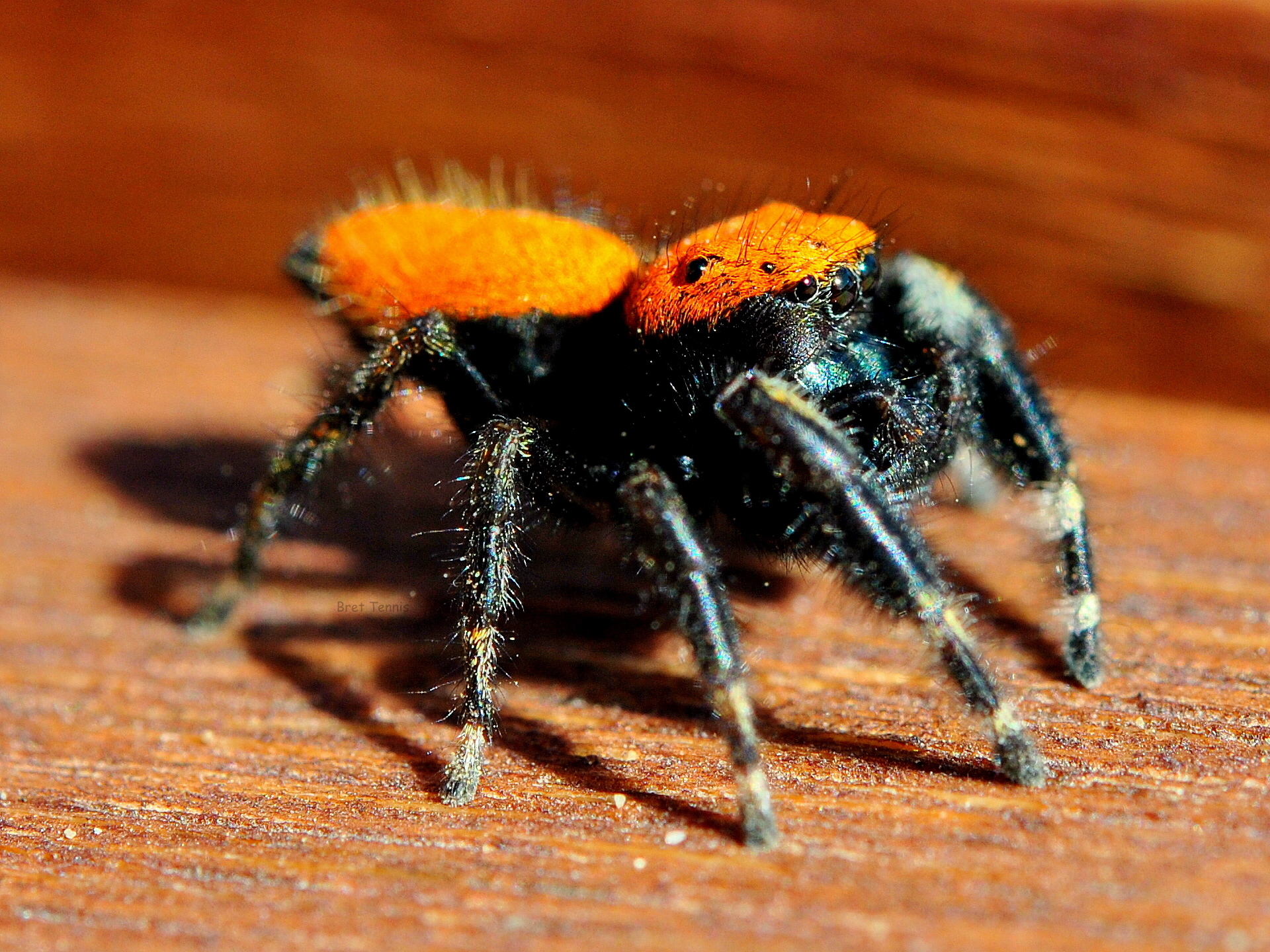
Jumping and weaving and biting, oh my! Spiders are strongly associated with Halloween – they are creepy and crawly and spin their webs in dark corners, so what better animal to associate with the ~spooky~? And is it just me, or does there always seem to be more of them in October?
There are lots of cool spiders in the Garden of the Gods, but one of the most common families is Salticidae, the jumping spiders. Salticidae comes from the Latin word “saltare” meaning “to jump” (no one has ever accused scientists of being creative!). We have several individual species here and, as their name suggests, they all reject the use of webs for catching food and instead, well, jump! This active hunting behavior requires the spiders to have excellent vision (they have four pairs of eyes!), be fast, and be smart. And this intelligence doesn’t just translate into being fierce and formidable hunters. Jumping spiders are popular arachnid pets due to their “curious” and “playful” behavior when around people.
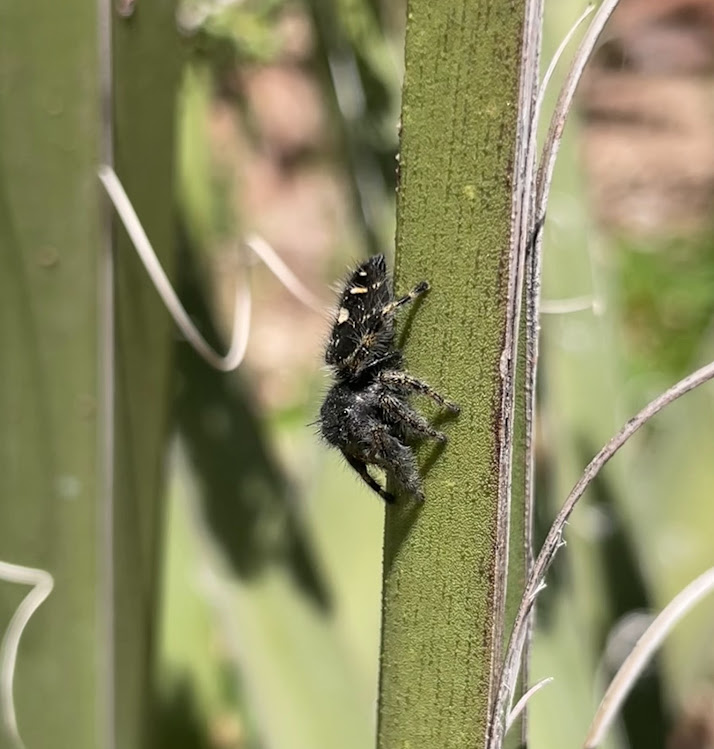
Now, remember when I said they don’t use webs to catch their food? Jumping spiders still have the ability to create silk, which they use to create safety lines for big jumps, or to create tent hammocks to sleep in (yes, really! I wonder if they make fly-s’mores while telling spider-stories around a campfire too? But I digress…).
And it turns out, there really are more spiders in October! In addition to cuddling up in your basement to avoid the snow and cold, many spiders mate in September and October, so you are more likely to see them right in time to celebrate the holiday, too. If you are lucky enough to spot a jumping spider’s mating ritual, you may be impressed – they are known for their elaborate courtship dances. These dances involve waving various legs in the air (shake them like you just don’t care!) and shaking their bodies low to the ground. Unfortunately if the female is hungry, those smooth moves end with the male being eaten. And even if she’s not hungry, every once in a while the male still ends up a snack – mating is dangerous in the insect world!
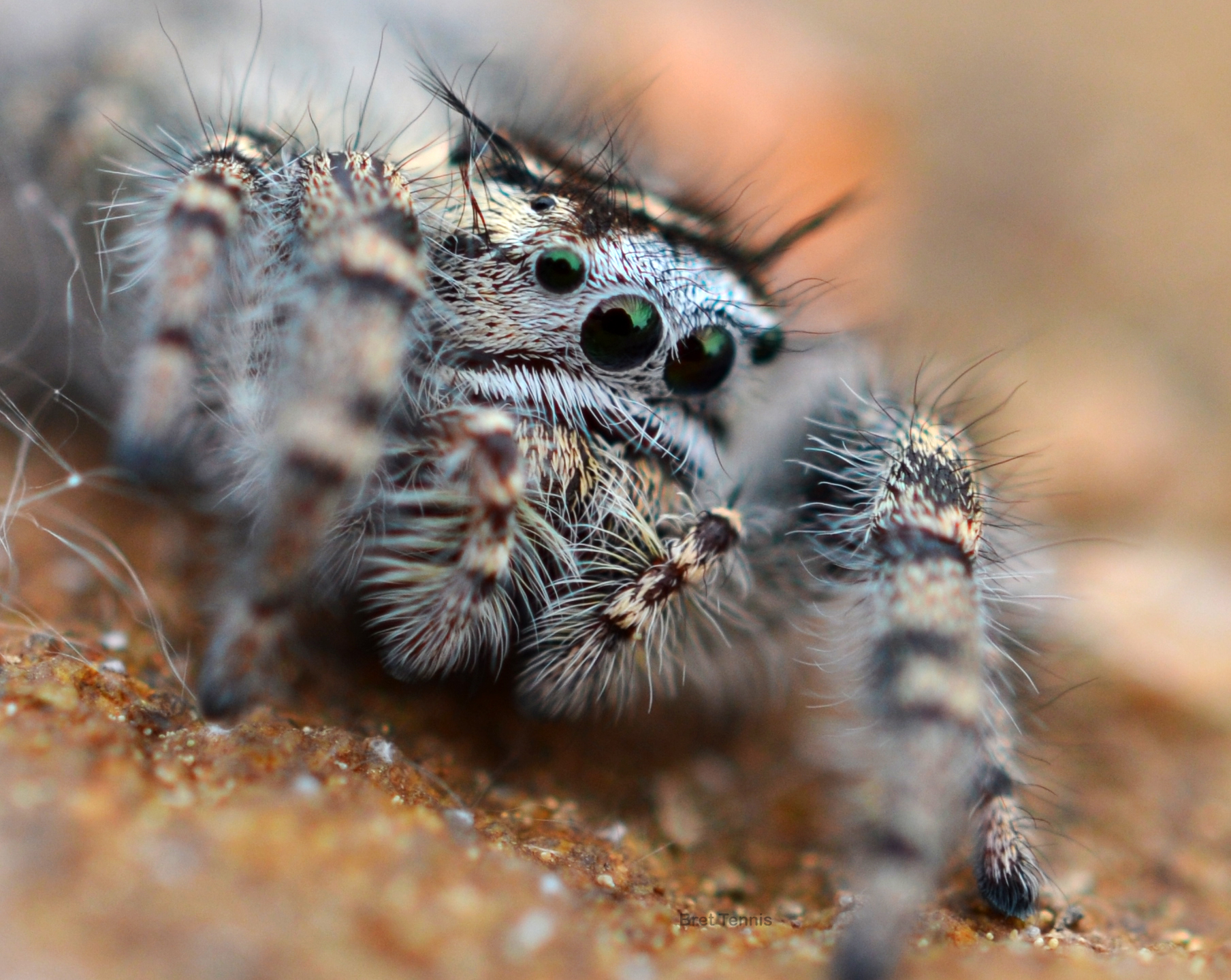
So the next time you visit us here at Garden of the Gods, keep your eyes in the grass (or on the handrails) for teeny tiny new friends.
And as a fantastic bonus, most of the species in the Garden have been poorly studied – which makes them perfect for the next generation of Park Guides to start investigating!